
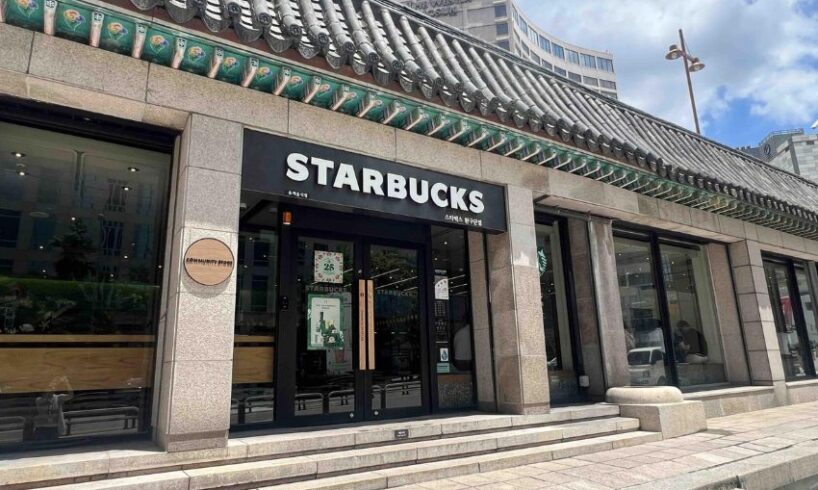
- Starbucks Korea will temporarily close more than 2,000 stores across the country on June 22 to provide employees with mandatory history awareness and social-sensitivity training.
Starbucks Korea to Close 2,000 Stores for History Training After Marketing Backlash
Company Announces Nationwide Employee Training Following Public Criticism
Starbucks Korea will temporarily close more than 2,000 stores across the country on June 22 to provide employees with mandatory history awareness and social-sensitivity training. The move comes after a marketing campaign sparked widespread public criticism and calls for greater cultural awareness in corporate advertising.
The temporary closure will affect Starbucks locations nationwide and marks the first time the company has carried out a simultaneous early shutdown of all its stores since entering the South Korean market in 1999.
Why Is Starbucks Korea Closing Its Stores?

According to Starbucks Korea and its parent operator, Shinsegae Group, employees will participate in educational sessions focused on modern Korean history, social awareness, and responsible corporate communication. Senior executives and company leadership are also expected to attend separate training programs.
The initiative was announced following criticism of a promotional campaign launched in May that many South Koreans viewed as insensitive to important historical events.
The Marketing Campaign That Triggered the Controversy
Public Reaction to the “Tank Day” Promotion
The controversy began when Starbucks Korea promoted a tumbler campaign branded as “Tank Day” on May 18. The date coincides with the anniversary of the 1980 Gwangju Uprising, a significant event in South Korea’s democratic history. Critics argued that the campaign’s timing and messaging were inappropriate given the historical importance of the date.
The company later apologized, stating that the campaign had not been intended to reference historical events. However, the promotion generated strong public criticism, social media backlash, and boycott calls from some consumers.
The Historical Significance of the Gwangju Uprising
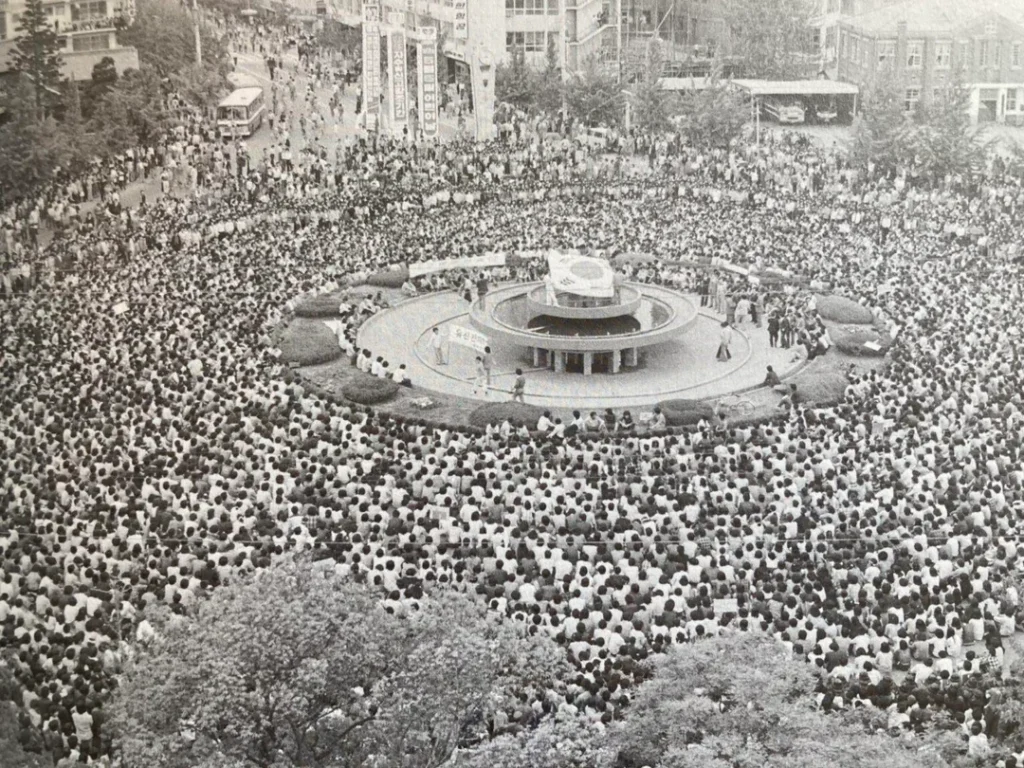
The Gwangju Uprising, also known as the May 18 Democratic Movement, took place in 1980 when citizens protested against military rule and demanded democratic reforms. The demonstrations were violently suppressed by the military government, resulting in hundreds of deaths and injuries.
Today, the event is widely recognized as a pivotal moment in South Korea’s journey toward democracy and remains a deeply significant part of the country’s modern history.
Leadership Changes and Corporate Response
Following the controversy, Starbucks Korea implemented a series of corrective measures. The company announced new review procedures for marketing campaigns and plans to strengthen internal checks related to social and historical sensitivity.
Reports also indicate that leadership changes were made within the organization as the company sought to address public concerns and rebuild trust with customers.
Financial Impact of the Store Closures
Industry estimates suggest that the temporary closure of Starbucks Korea stores could result in approximately 2.1 billion won (around ₹12–13 crore) in lost sales. Despite the financial impact, the company said the training initiative is intended to demonstrate its commitment to preventing similar incidents in the future.
A Growing Discussion About Cultural Awareness in Marketing
The Starbucks Korea controversy has sparked broader discussions about the importance of cultural awareness, historical understanding, and human oversight in modern marketing.
As companies increasingly use digital tools and artificial intelligence to support advertising decisions, experts say businesses must continue to evaluate campaigns through the lens of local culture, history, and public sentiment before they are launched.
The decision by Starbucks Korea to temporarily close more than 2,000 stores for employee training reflects the seriousness with which the company is responding to public criticism. While the controversy has generated significant debate, it has also highlighted the importance of historical awareness and responsible communication in today’s global business environment.
Also read: Exploring Top Higher Educational Institutes in Bangalore